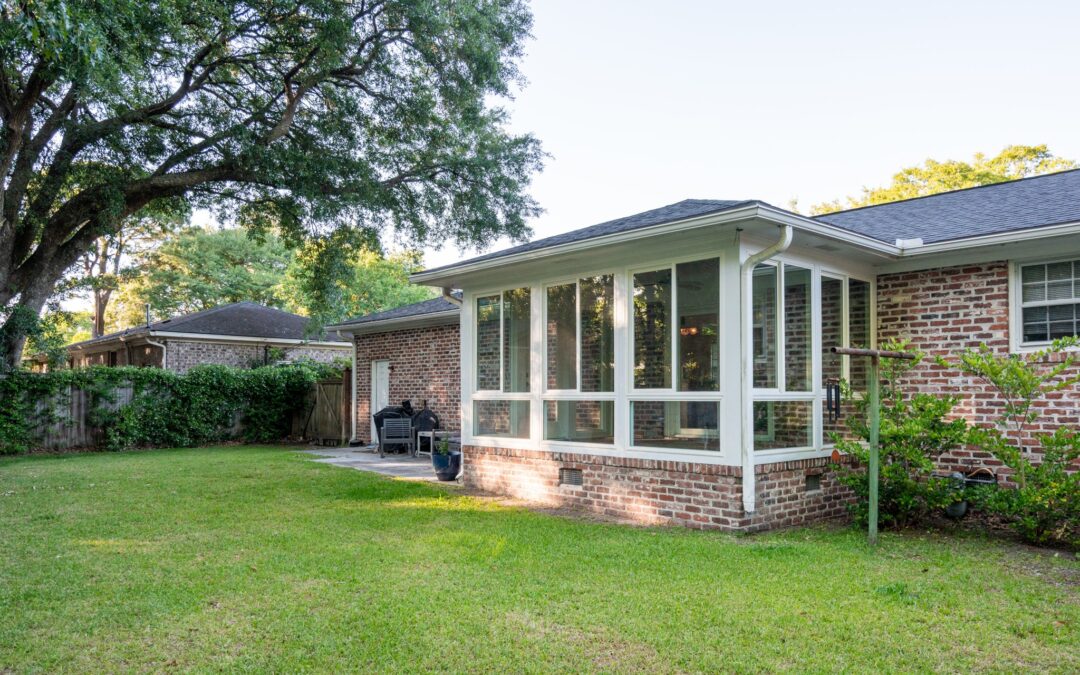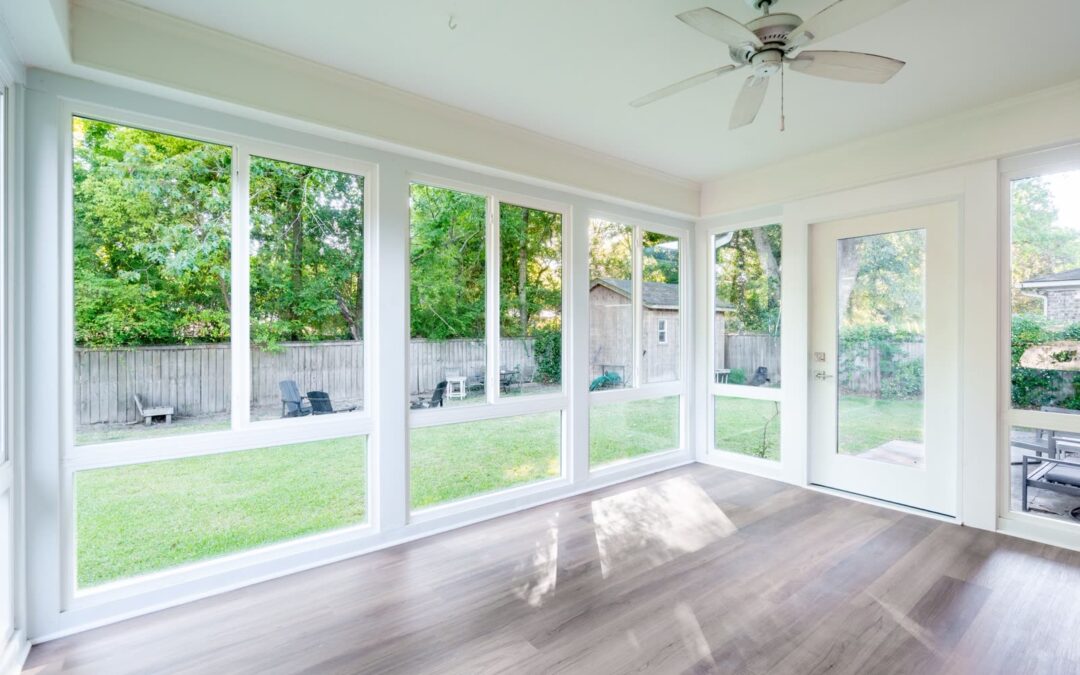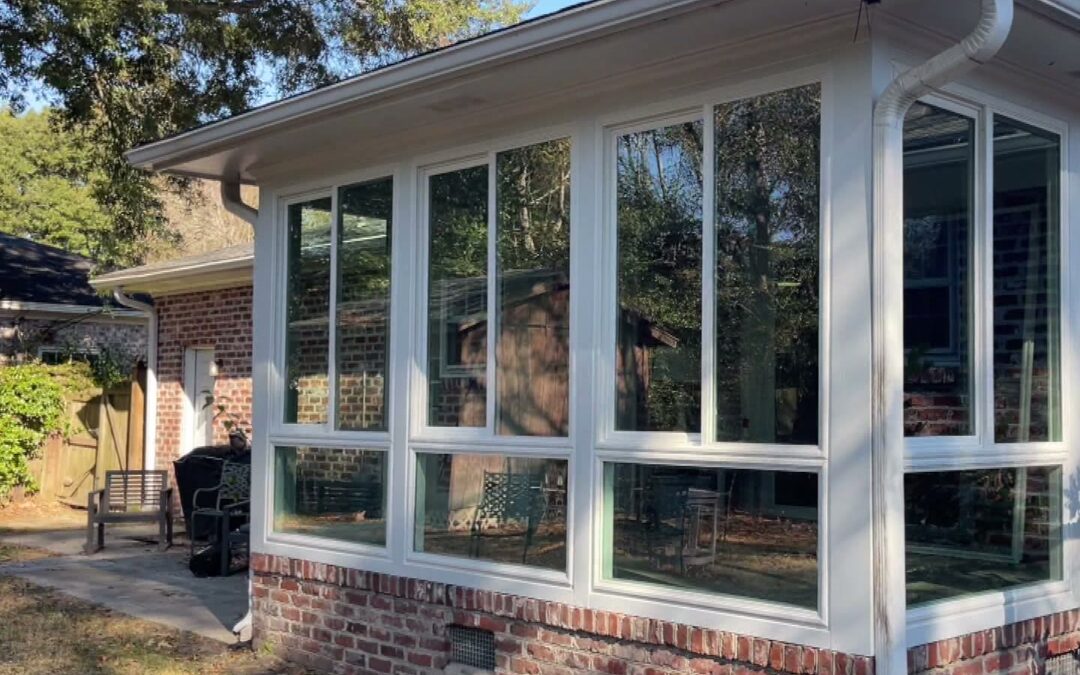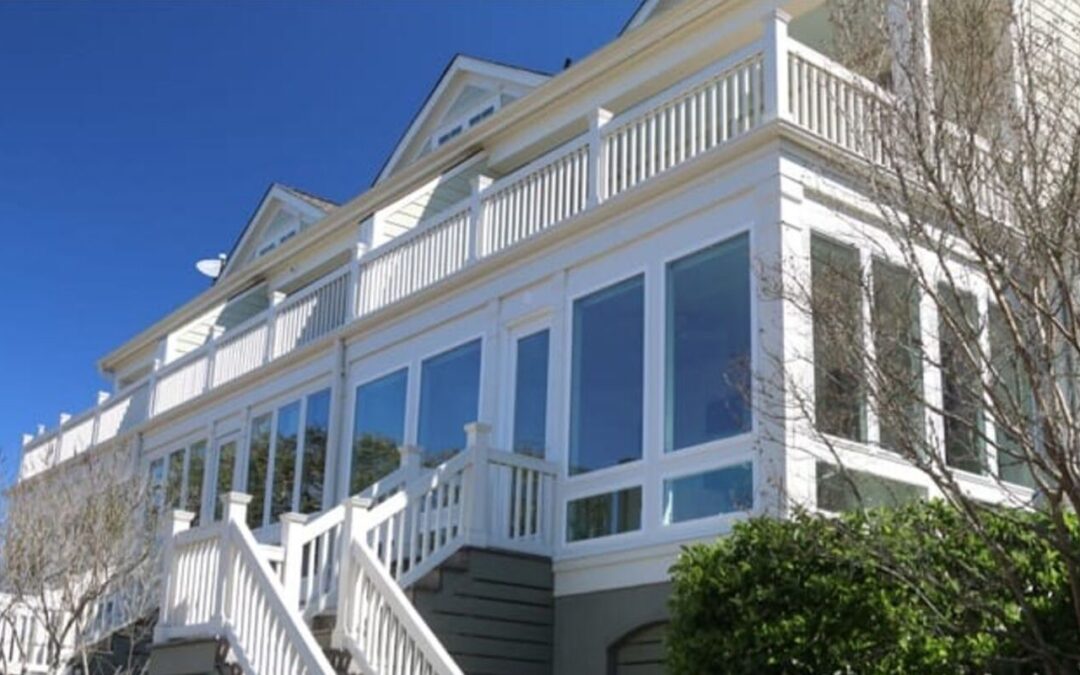

A complete, step-by-step guide for Lowcountry homeowners — built around Charleston’s coastal climate, building codes, and year-round comfort needs.
🏠 Written by the Muhler Team — Lowcountry’s Sunroom & Window Specialists
Serving Charleston, SC homeowners with expert sunroom design, installation, and HVAC integration. Licensed, insured & locally trusted. Call 843-572-9727.
📋 What’s in This Guide
- Process Summary: How It All Works
- Step 1 — Free Design Consultation
- Step 2 — Permits & Charleston Building Codes
- Step 3 — Site Preparation & Foundation
- Step 4 — Framing & Structural Work
- Step 5 — Windows, Doors & Roofing
- Step 6 — Electrical & HVAC Integration
- Step 7 — Interior Finishing & Final Walkthrough
- Three-Season vs. Four-Season Sunrooms in Charleston
- Frequently Asked Questions
Process Summary: From the first phone call to the final walkthrough, sunroom installation in Charleston, SC moves through seven essential phases — design consultation, permitting, site prep, foundation, framing, glazing, and HVAC integration. Each stage is carefully sequenced to meet Lowcountry building codes, withstand coastal weather, and deliver a year-round living space that genuinely adds value to your home. Here is exactly how the process works, step by step.
6–12
Weeks typical installation timeline
$25K–$80K
Typical project range in Charleston
50–75%
Average ROI at resale in SC markets
Low-E 366
Standard glazing for Lowcountry heat
There is something undeniable about the way late afternoon light filters through palmettos in the Lowcountry. Charleston homeowners have long found ways to live closer to that light — and a professionally installed sunroom is one of the most rewarding ways to do it. Whether you envision a bright home office, a family gathering space, a reading nook bathed in natural light, or a four-season retreat fully integrated with heating and cooling, the quality of your experience depends almost entirely on how well the installation process is executed.
At Muhler, we have been helping Greater Charleston homeowners through this exact process for years — navigating building permits, selecting the right glazing for coastal humidity, sizing HVAC systems correctly, and delivering sunrooms built to endure South Carolina’s heat, rain, and the occasional tropical storm. This guide walks you through every phase of the process in plain language, so you know exactly what to expect from the first consultation to the day you sit down in your new sunroom for the first time.
Step 1 — The Free Design Consultation
Every sunroom project at Muhler begins with a no-obligation, in-home design consultation. One of our expert designers visits your property, assesses the site, listens to your vision, and helps you understand exactly what is possible within your budget and on your specific lot.
During the consultation, your designer will discuss:
- Sunroom type — three-season vs. four-season vs. glass porch enclosure, and which suits Charleston’s climate and your goals best
- Orientation and sun exposure — where on your home the sunroom will receive optimal light without overheating
- Size and layout — how the new room will connect to your existing living spaces and flow with your home’s architecture
- Material selections — frame materials (vinyl, aluminum, or wood), glazing options, roofing integration, and flooring
- HVAC requirements — whether your existing system can be extended or whether a supplemental unit is needed
- Budget and financing — a realistic cost range and available payment options
💡 Muhler Pro Tip
Come to your consultation with photos of sunrooms you love — even from Pinterest or home magazines. It helps your designer understand your aesthetic preferences quickly and moves the design process forward faster.
Step 2 — Permits & Charleston Building Code Compliance
No sunroom in Charleston, SC can be built legally without proper permits — and that is actually a good thing. Permits protect you, ensure structural integrity, maintain your homeowner’s insurance coverage, and protect your home’s resale value. Muhler handles every aspect of the permitting process on your behalf.
What Permits Are Required?
In Charleston County and the City of Charleston, sunroom additions typically require a building permit that covers structural, electrical, and mechanical (HVAC) work. Depending on the scope of your project, you may also need:
- Zoning review to confirm setback and coverage requirements
- HOA approval (if applicable in your neighborhood)
- Electrical permit for dedicated circuits, outlets, and lighting
- Mechanical permit for HVAC integration or mini-split installation
- Structural engineering documentation for custom designs
⚠️ Charleston Coastal Zone Consideration
Homes located within FEMA-designated flood zones or Charleston’s Special Flood Hazard Areas may face additional review requirements. Muhler’s team is experienced working within Lowcountry flood elevation requirements and incorporates these into foundation and structural planning from day one.
Permit review timelines in Charleston typically range from 2 to 4 weeks. We submit complete, professionally prepared permit packages to minimize the risk of review comments and delays.
Step 3 — Site Preparation & Foundation Work
Once permits are approved, construction begins with site preparation. This phase is critically important — and in Charleston’s Lowcountry environment, it demands more care than in many other parts of the country.
Why Foundation Matters More in Charleston
Charleston sits on coastal plain soil that can be soft, expansive, and subject to seasonal moisture fluctuation. A poorly planned foundation will settle unevenly, crack, and compromise the structural integrity of your sunroom over time. This is why Muhler evaluates soil conditions and structural requirements before ever recommending a foundation type.
Common foundation approaches for Charleston sunrooms include:
- Poured concrete slab — the most common choice for ground-level additions with stable, well-drained soil
- Helical pier system — preferred for elevated sites, soft coastal soil, or lots with drainage concerns; provides deep anchoring without extensive excavation
- Crawlspace foundation — allows for easier HVAC duct routing beneath the floor and is well-suited to homes with existing crawlspace construction
- Ledger-board attachment — for sunrooms built over an existing deck with a structurally sound frame
Site preparation also includes clearing the work area, establishing drainage, grading the ground correctly to direct water away from the foundation, and creating clean access paths for the installation crew.
Step 4 — Framing & Structural Construction
With the foundation in place, framing begins. This is the skeleton of your sunroom — the system of posts, beams, knee walls, and headers that will carry the weight of the roof, glass, and mechanical systems above.
Muhler uses high-quality, weather-resistant framing systems engineered specifically for coastal climates. In the Lowcountry, that means materials that stand up to humidity, salt air, UV exposure, and wind loads consistent with South Carolina’s coastal building requirements.
Key Framing Decisions
- Knee wall height — a partial wall below the windows (typically 18–36 inches) provides additional insulation, gives the room a more finished feel, and allows for furniture placement flexibility
- Roof style — gable, shed, hip, or cathedral roof profiles, each with different aesthetic and structural implications
- Roof integration — the junction where the sunroom roof meets your existing home is flashed and sealed with precision to prevent water intrusion, one of the most common failure points in lower-quality installations
- Structural tie-ins — the sunroom must be properly anchored to your home’s existing structure; Muhler uses hurricane-rated fasteners throughout to meet South Carolina coastal construction requirements
Step 5 — Windows, Doors & Roofing
The glazing is the soul of a sunroom. It determines how much natural light enters the space, how well the room stays comfortable in Charleston’s 90°F summers, and how much your energy bills are affected. This is an area where Muhler does not cut corners.
Jeld-Wen Low-E 366 Premium Vinyl Windows
As Muhler’s standard glazing for sunroom installations in Charleston, Jeld-Wen Premium Vinyl windows with Low-E 366 coating and argon gas fill offer an exceptional combination of solar control, insulation, and durability. Low-E 366 glass is specifically designed for hot, sunny climates — blocking a significant portion of solar heat gain while maintaining excellent visible light transmission. The argon gas fill between panes further improves thermal performance, keeping the room cooler in summer and warmer during Charleston’s mild winters.
- All windows are built to meet Charleston County building codes including wind-load requirements
- Vinyl frames resist corrosion, salt air, and the humidity that causes wood frames to swell and deteriorate
- Double-pane construction significantly reduces condensation, a common issue in Charleston’s high-humidity climate
- Custom skylights are available for sunrooms requiring additional overhead natural light
Doors
Access doors between your home and the sunroom — and from the sunroom to the exterior — are selected to complement the overall design. Options include insulated fiberglass, aluminum-clad, and vinyl sliding or French door configurations. Proper weatherstripping and threshold sealing is applied at every door opening.
Roofing
Roofing materials are matched to your existing home’s shingles or selected to complement your home’s exterior. Gutters are connected and graded to direct water away from both the new foundation and your home’s existing foundation. In Charleston, this step receives particular attention given the region’s rainfall intensity.
Step 6 — Electrical & HVAC Integration
This is the phase that separates a truly comfortable four-season sunroom from a space that feels oppressively hot in July and uncomfortably cool in January. Getting the mechanical systems right — and integrating them during construction rather than retrofitting them later — is critical.
Electrical Rough-In
A licensed electrician installs dedicated circuits, outlet boxes (typically every 6–12 feet of wall), ceiling fan boxes, lighting circuits, and any specialty circuits required for entertainment or home office use. All electrical work is inspected and labeled before insulation and wall finishes are installed.
HVAC Integration: The Most Important Decision
For four-season sunrooms in Charleston, climate control is not optional — it is what transforms a beautiful room into a truly livable space year-round. Muhler evaluates two primary HVAC pathways for every project:
(A) Extend Your Existing HVAC System
If your home’s current heating and cooling system has sufficient capacity, ductwork can be extended to supply and return air to the new sunroom. This is the most seamless integration — the sunroom becomes climate-controlled on the same thermostat as the rest of your home. However, many existing systems in Charleston lack the extra capacity, particularly for larger additions.
(B) Ductless Mini-Split System
A ductless mini-split (heat pump) is frequently the best solution for sunroom additions in Charleston. These systems provide precise, zoned temperature control without requiring new ductwork. A wall-mounted indoor unit connects to a compact outdoor condenser. Mini-splits are highly energy-efficient, operate quietly, and allow the sunroom to be controlled independently from the rest of the house — ideal for a space that may be used on a different schedule.
🌡️ Why HVAC Planning Matters in Charleston’s Climate
Charleston summers regularly exceed 90°F with high humidity, and even winter nights can dip below 40°F. A sunroom without proper climate control becomes unusable for months at a time. Muhler’s team sizes HVAC systems based on the room’s actual square footage, glazing area, orientation, and insulation levels — not rough estimates — ensuring comfort without energy waste.
Supplemental options such as ceiling fans, radiant floor heating (for four-season rooms), and energy-recovery ventilators (ERVs) are also available and discussed during the design phase based on your comfort priorities.
Step 7 — Interior Finishing, Final Inspections & Walkthrough
With mechanical rough-ins complete and inspected, the interior finishing phase brings your sunroom to life. Insulation is installed in any framed walls and the ceiling cavity, dramatically improving thermal performance. Interior wall and ceiling finishes are applied, followed by your selected flooring.
Flooring for Charleston Sunrooms
Flooring selection in a sunroom requires careful consideration of humidity, UV exposure, and temperature variation. Muhler recommends:
- Porcelain or ceramic tile — highly durable, moisture-resistant, and easy to maintain; an excellent choice for coastal homes
- Luxury Vinyl Plank (LVP) — waterproof, comfortable underfoot, available in a wide range of wood-look finishes, and cost-effective
- Engineered hardwood — offers the warmth of real wood with better dimensional stability in humid conditions than solid hardwood
Carpet is generally not recommended for sunrooms in the Lowcountry due to humidity and the potential for mold and mildew.
Trim, Paint & Final Details
Interior frames, window casings, and baseboards are installed and painted to match or complement your home’s existing interior. Caulking is applied at all transitions — between wall and ceiling, frame and glass, and at all exterior penetrations — to seal against air infiltration and water intrusion.
Inspections & Certification
Depending on permit requirements, your sunroom may receive inspections at multiple phases — foundation, framing, rough electrical, rough mechanical, insulation, and final. Muhler coordinates all inspections with the relevant authorities and resolves any punch-list items before scheduling the final walkthrough with you.
🎉 Your Final Walkthrough
Before we consider a project complete, we walk through the entire sunroom with you — checking every window operation, testing HVAC function, inspecting every interior finish, and reviewing your maintenance guide. You receive warranty documentation, care instructions for glazing and sealants, and recommendations for seasonal maintenance. We do not consider the job done until you are completely satisfied.
Three-Season vs. Four-Season Sunrooms in Charleston
Not every homeowner needs the same type of sunroom. Understanding the difference helps you invest appropriately for your goals.
(C) Three-Season Sunroom
Designed for spring, summer, and fall use, three-season sunrooms use screened or single-pane glass walls and are not connected to your home’s HVAC system. They are a more affordable option that still adds significant livable space and kerb appeal. In Charleston’s mild climate, many three-season rooms are genuinely comfortable 8–9 months of the year. However, they will be hot in July and cool from December through February.
(D) Four-Season Sunroom
A fully insulated, climate-controlled addition that functions as a true room of your home year-round. Four-season rooms in Charleston use double-pane Low-E glass, fully insulated walls and ceilings, and a dedicated HVAC solution. They count as conditioned square footage for appraisal purposes, deliver the highest return on investment, and are the right choice for homeowners who want a year-round home office, family room, or entertainment space.
Serving All of Greater Charleston & the Lowcountry
Muhler’s sunroom installation team serves homeowners throughout the Charleston metro area and surrounding Lowcountry communities, including:
- Charleston (Downtown, West Ashley, James Island, Johns Island)
- North Charleston
- Mount Pleasant & Sullivan’s Island
- Summerville & Ladson
- Goose Creek & Hanahan
- Daniel Island & Isle of Palms
- Moncks Corner & Berkeley County
- Walterboro, Dorchester, & Colleton County
Frequently Asked Questions
How long does sunroom installation take in Charleston, SC
Most sunroom installations in Charleston take 6 to 12 weeks from contract signing to final walkthrough. Permitting through the City of Charleston or Charleston County typically adds 2–4 weeks, and custom four-season rooms with HVAC integration may extend the timeline slightly. Muhler coordinates every phase to minimize delays and keep you informed at each step.
Do I need a permit to add a sunroom in Charleston, SC
Yes. All sunroom additions in Charleston require building permits through the City of Charleston or Charleston County Building Services. Permits cover structural, electrical, and HVAC work. Muhler handles the entire permitting process on behalf of homeowners — from application preparation to coordinating all required inspections.
What type of foundation is best for a Charleston sunroom?
In Charleston’s coastal Lowcountry soil, a poured concrete slab or helical pier system is most common. Helical piers are often preferred for elevated or soft-soil sites. Muhler’s team evaluates your specific site conditions during the consultation before recommending the most appropriate and durable foundation approach for your property.
What windows are used in Muhler sunrooms in Charleston?
Muhler installs Jeld-Wen Premium Vinyl windows with Low-E 366 coating and argon gas fill as standard in all Charleston sunroom installations. These windows meet Charleston County building codes, resist Lowcountry humidity and salt air, and provide exceptional year-round energy efficiency — keeping you cooler in summer and warmer in winter without excessive HVAC load.
Can I connect my new sunroom to my existing HVAC system?
Sometimes, yes — but it depends on your existing system’s capacity. Muhler’s team evaluates your current HVAC during the design consultation. If your system cannot handle the additional square footage, we typically recommend a ductless mini-split system, which offers precise temperature control, energy efficiency, and no need for new ductwork — making it ideal for sunroom additions throughout the Charleston area.
How much does sunroom installation cost in Charleston, SC?
Sunroom costs in Charleston typically range from $25,000 to $80,000 depending on size, type (three-season vs. four-season), foundation requirements, glazing selections, and HVAC integration. Muhler provides free in-home consultations with detailed, itemized estimates so you understand exactly what you are investing in before any commitment is made.
Will a sunroom add value to my Charleston home?
Yes. Sunrooms consistently deliver strong return on investment in South Carolina real estate. Industry data indicates homeowners typically recoup 50–75% of installation costs in appraised home value, and a well-designed four-season room adds livable square footage that appraisers recognize. In Charleston’s competitive real estate market, a quality sunroom has also been shown to accelerate sale timelines and attract a broader pool of buyers.
Does Muhler serve areas outside of Charleston proper?
Yes. Muhler serves the entire Charleston metro area including North Charleston, Mount Pleasant, Summerville, Goose Creek, Hanahan, James Island, Johns Island, West Ashley, Daniel Island, and surrounding Lowcountry communities throughout Berkeley, Dorchester, and Colleton counties.
Ready to Start Your Sunroom Project in Charleston?
Get a free, no-obligation in-home design consultation. Muhler’s experts will evaluate your property, walk you through your options, and provide a detailed estimate — at no cost to you.